This past Saturday MJ and I piled the boys into the van for a 90 minute drive out to Lancaster for the Central Pennsylvania Open Source Conference (CPOSC), which was celebrating it’s 16th annual-ish event (hence, 0x10). It was my fourth time attending this event, having been in 2009 before I moved out to California, and then again in 2023 and 2024, when our spring break visits to Philadelphia lined up with the event. The decision to bring the boys this time was carefully considered, at ages 5 and 7 they aren’t really old enough to appreciate a conference aimed at adults, but with both MJ and I there, and their backpacks loaded with devices, we figured the bases were covered emergency exit-wise.
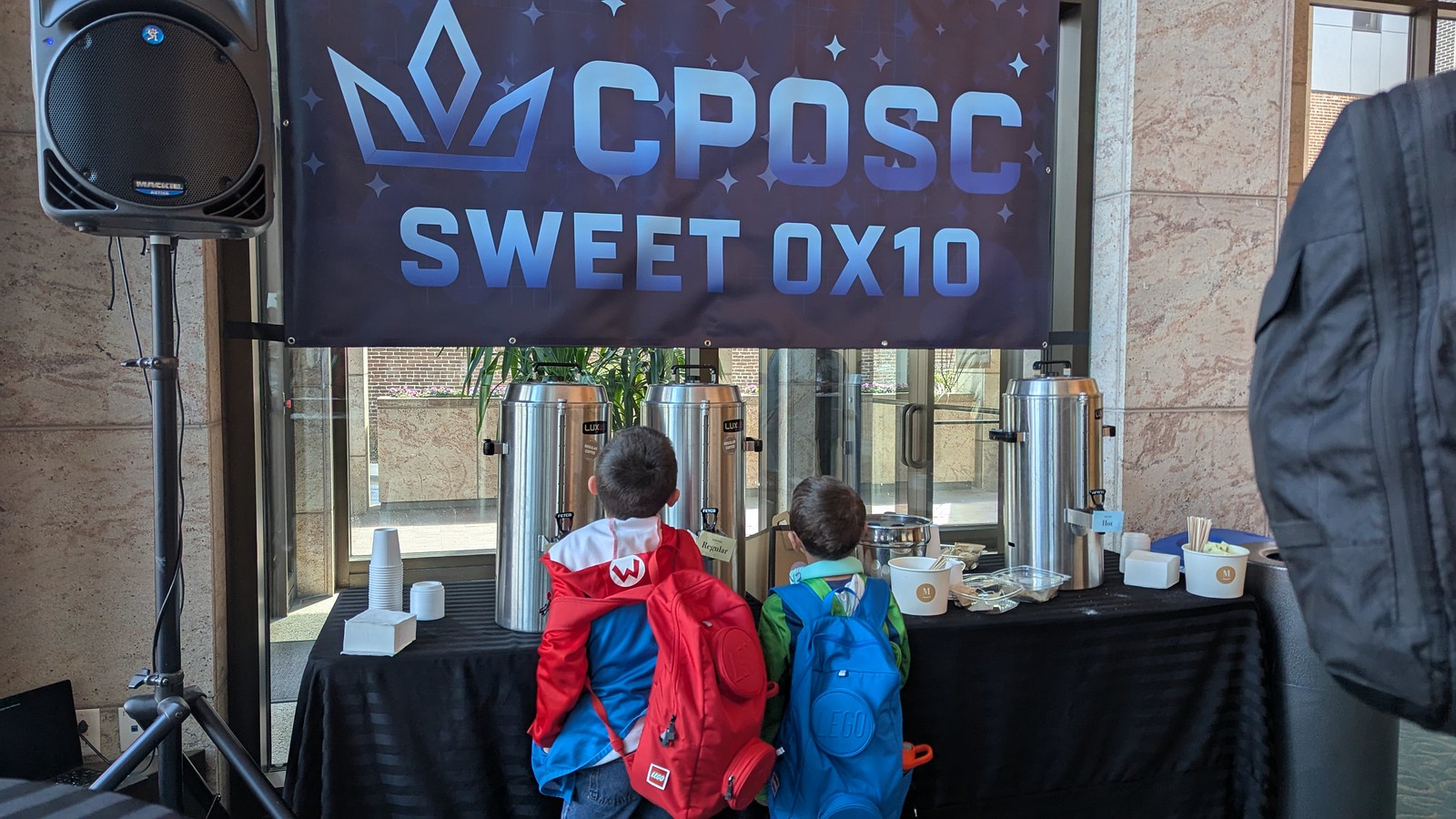
Honestly, it went better than I expected. During most of the sessions the boys decided to ignore the presentation entirely and focus on their phones or Nintendo devices (we brought my old Switch and DS for them). They only forgot a couple of times that they were supposed to be quiet and would louder-than-full-volume ask me a question, but I tried to sit in seats where that would be the least disruptive, and I think we succeeded. There was one moment when a presenter was showing his Minecraft-inspired TNT toy he made on the screen and Aaron shouted “MOM WHY IS THERE MINECRAFT TNT ON THE SCREEN?!” but that was met with laughs from the rest of the audience (and the presenter did ask the audience if there was familiarity with Minecraft, so it was arguably appropriate). MJ and I also switched off on kiddo duty for a couple sessions, but that gave us some time for snacks and to explore the rest of the activities at the conference.
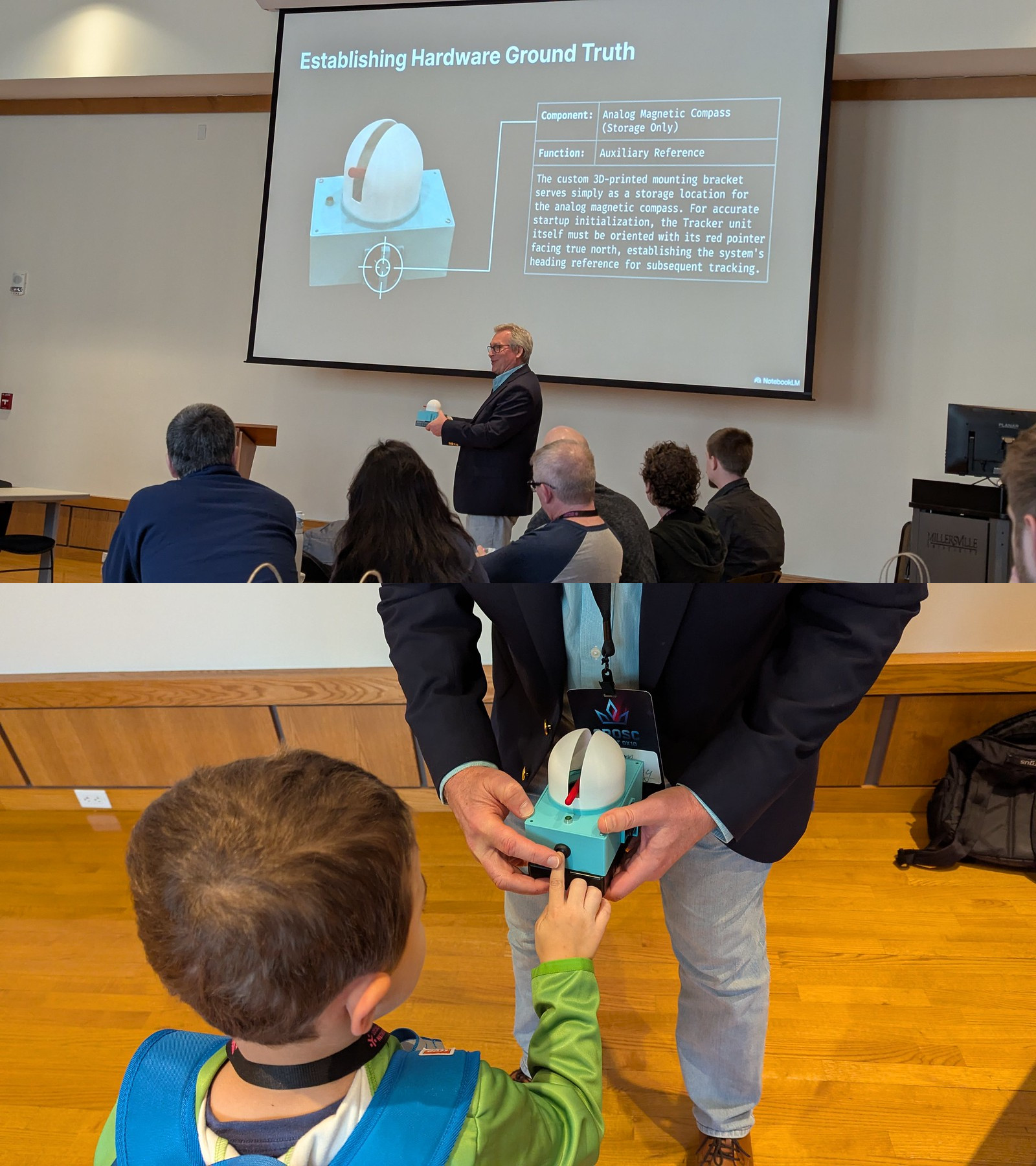
But on to the talks! I really enjoyed the “Where AI Meets Hardware: Designing and Building a 3D Satellite Tracker” talk by Tom Courtney. He’s a retired technologist who has been spending a lot of hobby time over the past year+ playing with LLMs to help him build devices. He’s effectively been using AI as a collaborator to bring his ideas to life based on his strict criteria for what he’s looking to accomplish, and used his recent device that tracks the ISS orbiting Earth as a use case. He begins with a design phase where he goes back and forth with the AI to determine the base hardware he should buy and basic electronics, and even design the CAD files (with FreeCAD) for the enclosure he 3D printed. He then uses the AI to do a lengthy debugging phase where he checks where any failures are and goes back to the AI to see if it can figure out where there are wiring problems, or why a brownout occurred, and other issues. And then the final build-out where things like app support and other finishing touches are applied. He shared that you can’t expect the AI to spit out a perfectly working device, and you still have to have the “hacker mentality” to stick with it over the iterations, but that the AI ultimately helped him get past issues that would have doomed the project in the past if he were doing it entirely himself, or even with the help of volunteers on various Maker forums.
After the session, Aaron got to get a close up view of the tracker, and was even invited to press the button to turn it on!
It all reminded me of the keynote I saw at GitHub Universe back in October where the presenter pulled an old Bluetooth-enabled Furby out the closet and brought it back to life with modernized code, and some vibe-coded enhancements. These are projects that are fun and fulfilling, but as busy adults they wouldn’t have even been attempted if the AI hadn’t made the finish line a lot closer. It opens a lot of doors for me too, there are TONS of projects I’d like to work on with my kids to get them into an engineering mindset, but between my limited time and their attention span, the projects we can tackle are quite limited and may not succeed in creating the curiosity and Maker spark I would love them to have.
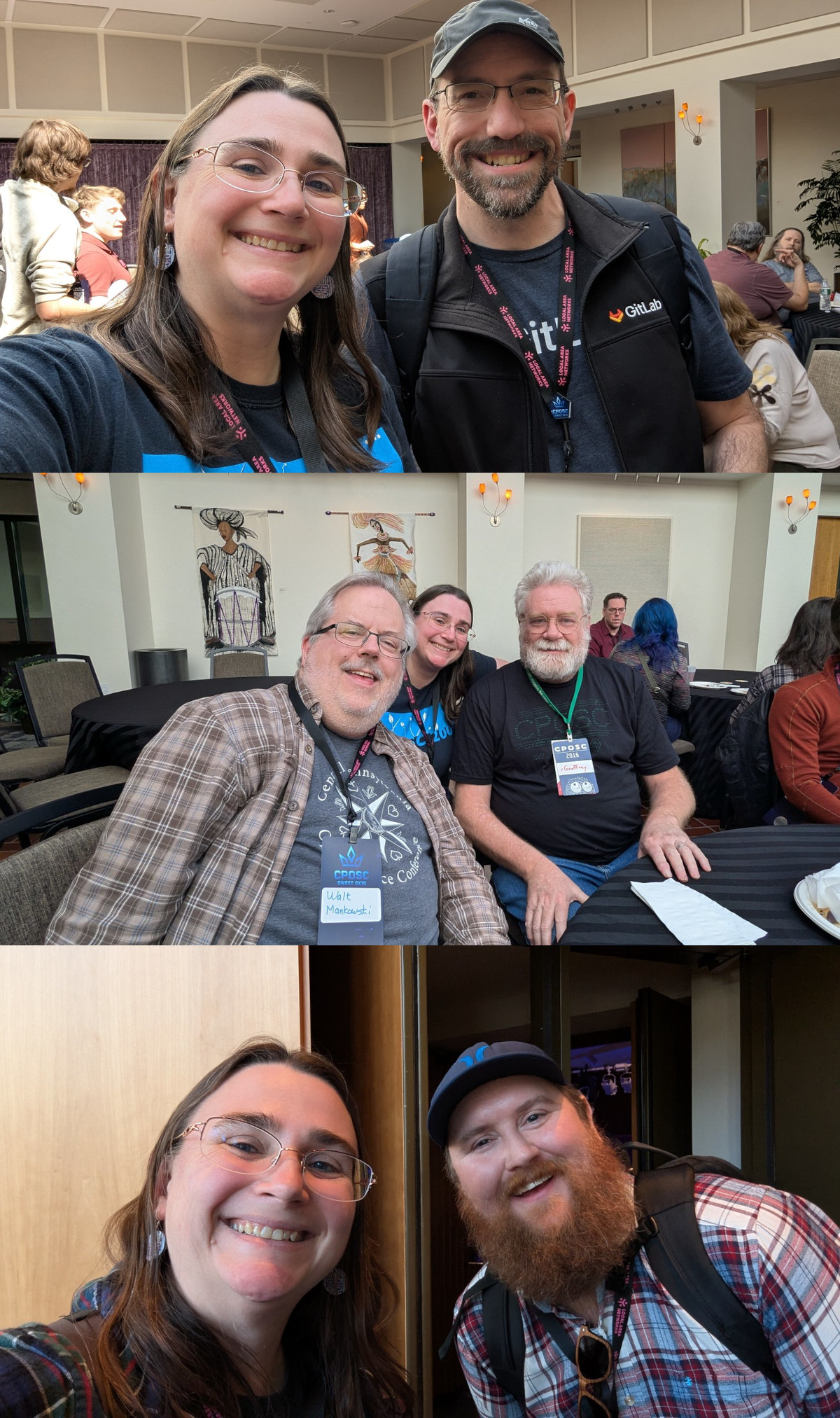
At lunch I was delighted to meet up with some of my old pals from PLUG and elsewhere in the eastern Pennsylvania tech scene. I don’t get out to events much even when I am in town, so I treasure the times I do have.
After lunch I went to a talk by Dr. Stephanie Schwartz, “From Hype to Habit: How Software Engineers Are Using Generative AI”, and this really drove home what I love about regional open source conferences. Professor Schwartz teaches right there at Millersville University and did a survey of her community regarding how everyday developers are using AI assistance in their work. After all the hype and very future looking big conferences I go to, it was nice to find some grounding in her survey results. She discovered what we suspected, that a vast majority of developers today are using AI to some extent, and there’s no going back. There’s still a lack of trust in the code the AI generates, so expertise and reviews are still essential to any adoption. One slide in particular really struck home for me, and it was quotes from more senior developers implying that it’s increased their workload because there is sometimes a disconnect in understanding the code from the more junior developers submitting it so the review burden is more onerous. I can personally speak to this additional pressure and frustration, but my hope is that this will ease as we develop a better, more thoughtful way of using these tools. It was also a complementary talk to the one later in the day by Erica Windisch on “The Vibe of Agentic Infrastructure” which did give that more future-focused tour of the emerging technologies available and being developed, with a keen eye on things like security.
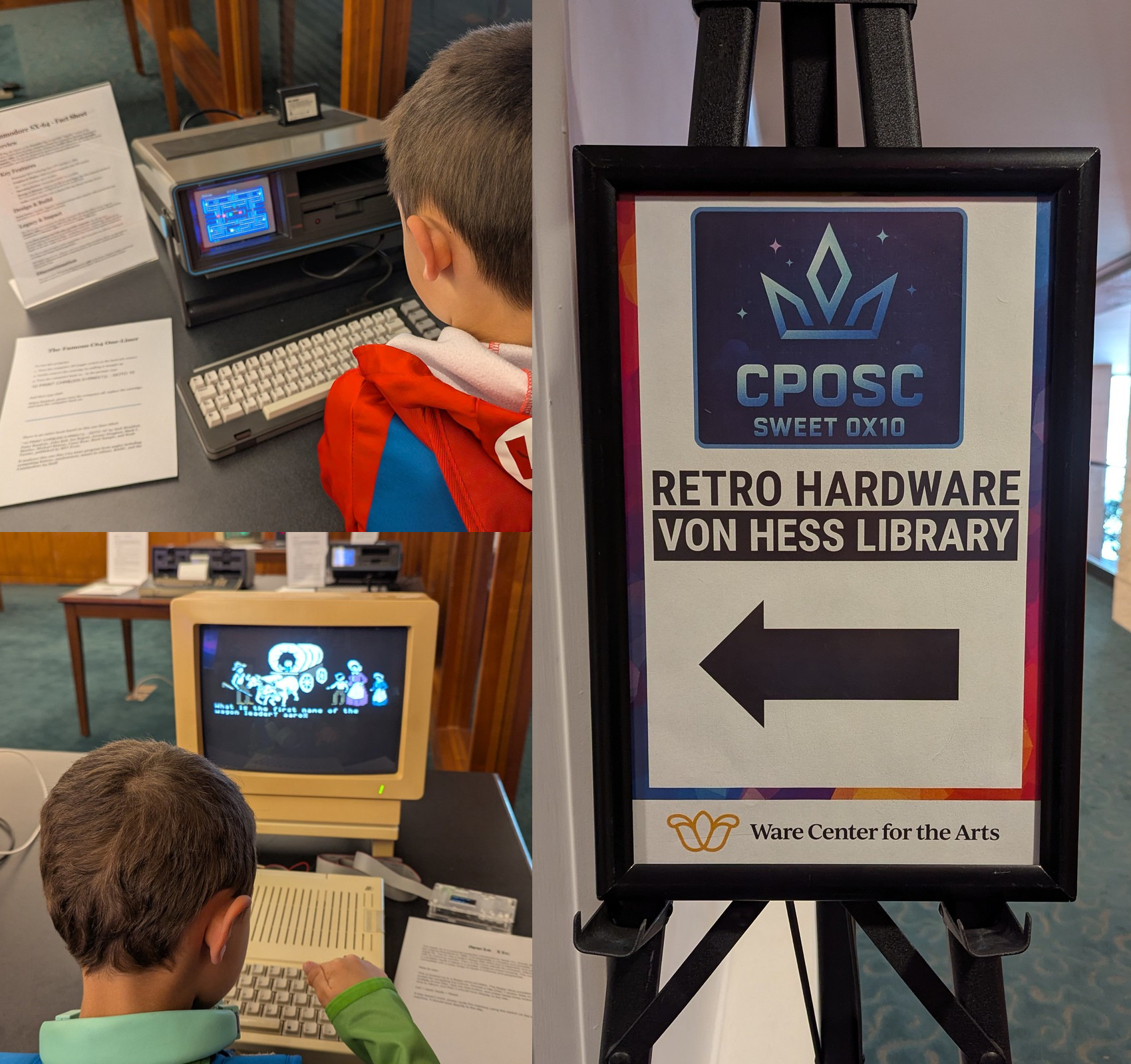
From there, I took the advice of Joshua Boyd and brought the boys over to the Retro Hardware room, which was a lot of fun. A local group had brought in about a dozen vintage systems, all loaded up with games. They got to play Super Mario World on an SNES connected to a color portable TV, and then Aaron and I got to play Oregon Trail on an Apple IIe and Adam played Pac-Man on a Commodore SX-64.
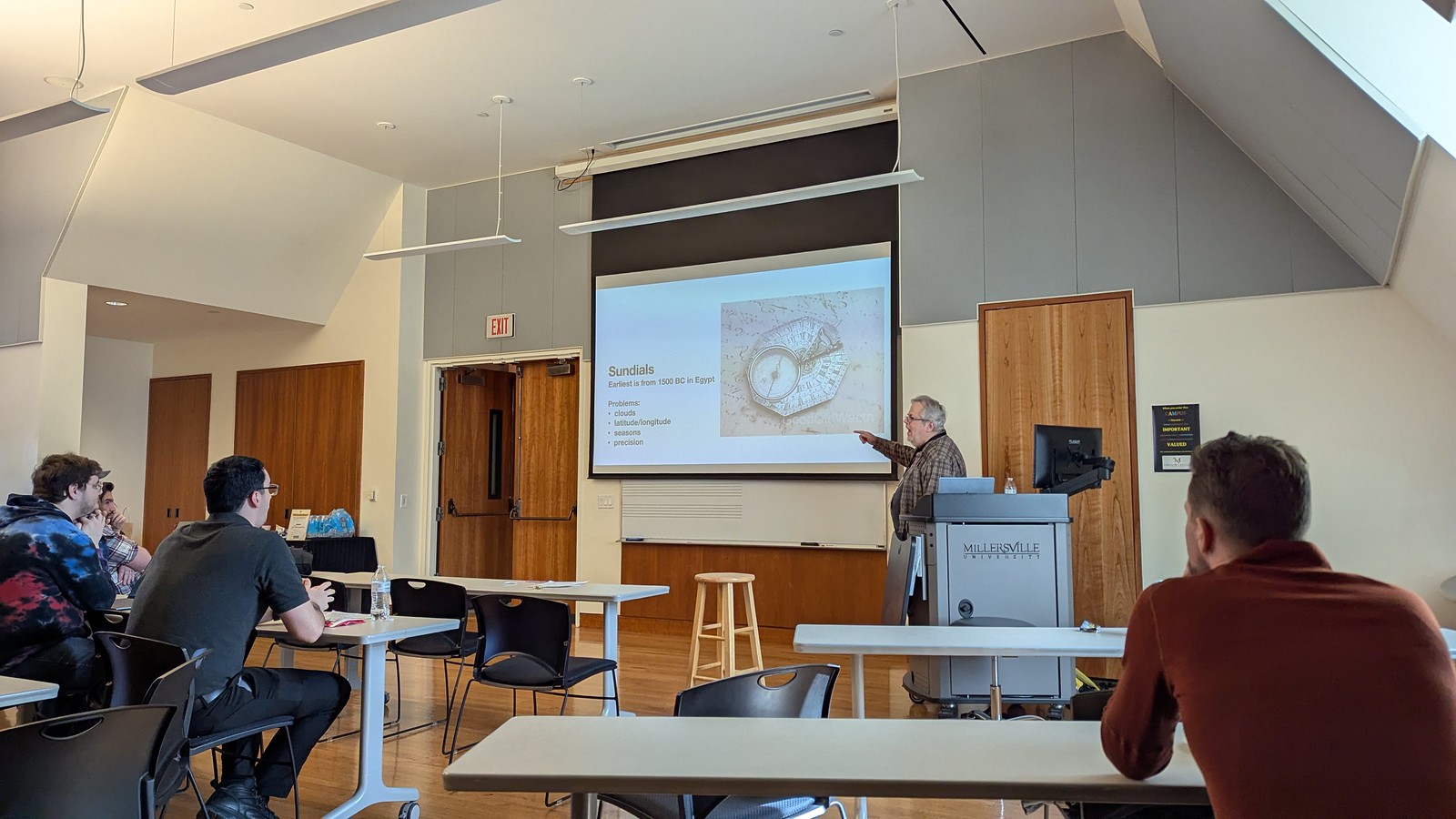
The final talk of the day we went to was by our friend Walt Mankowski on “A Brief History of Time Syncing” where he talked about history of time in general, and then some of the internals of NTP. He was even kind enough to add some bonus slides at the end because Adam was curious about how time worked in space, I made sure he had put his phone away by the time we got to that part.
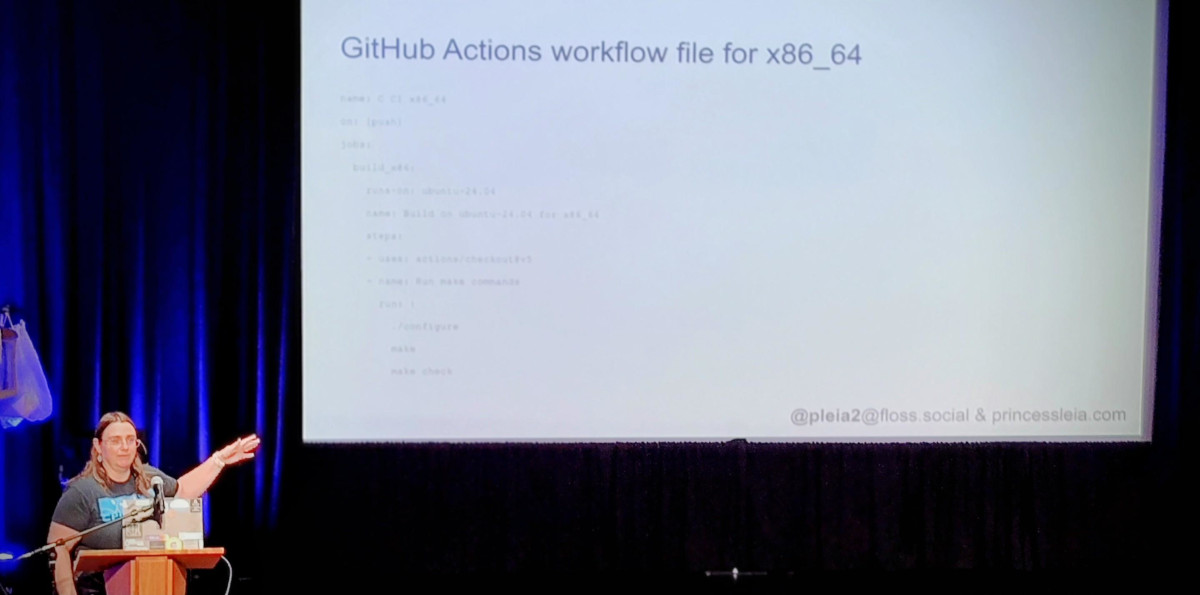
The event concluded with some lightning talks. I gave one on using GitHub Actions across architectures, where I demonstrated using GitHub’s free bare-metal runners for x86_64 and arm64, and then s390x using qemu in a container for emulation, and finally the GitHUb Actions runner service for s390x and ppc64le that a team I’m on launched last year. I kicked off the workflow when I started my talk, ran through my slides, and was done in time to see successful results of the test show up in GitHub. Woo, a successful live demo! Slides from the talk are here: GitHub_Actions_x_Multiarch_-_CPOSC_2026.pdf (140K)
And then it was time for the farewell!
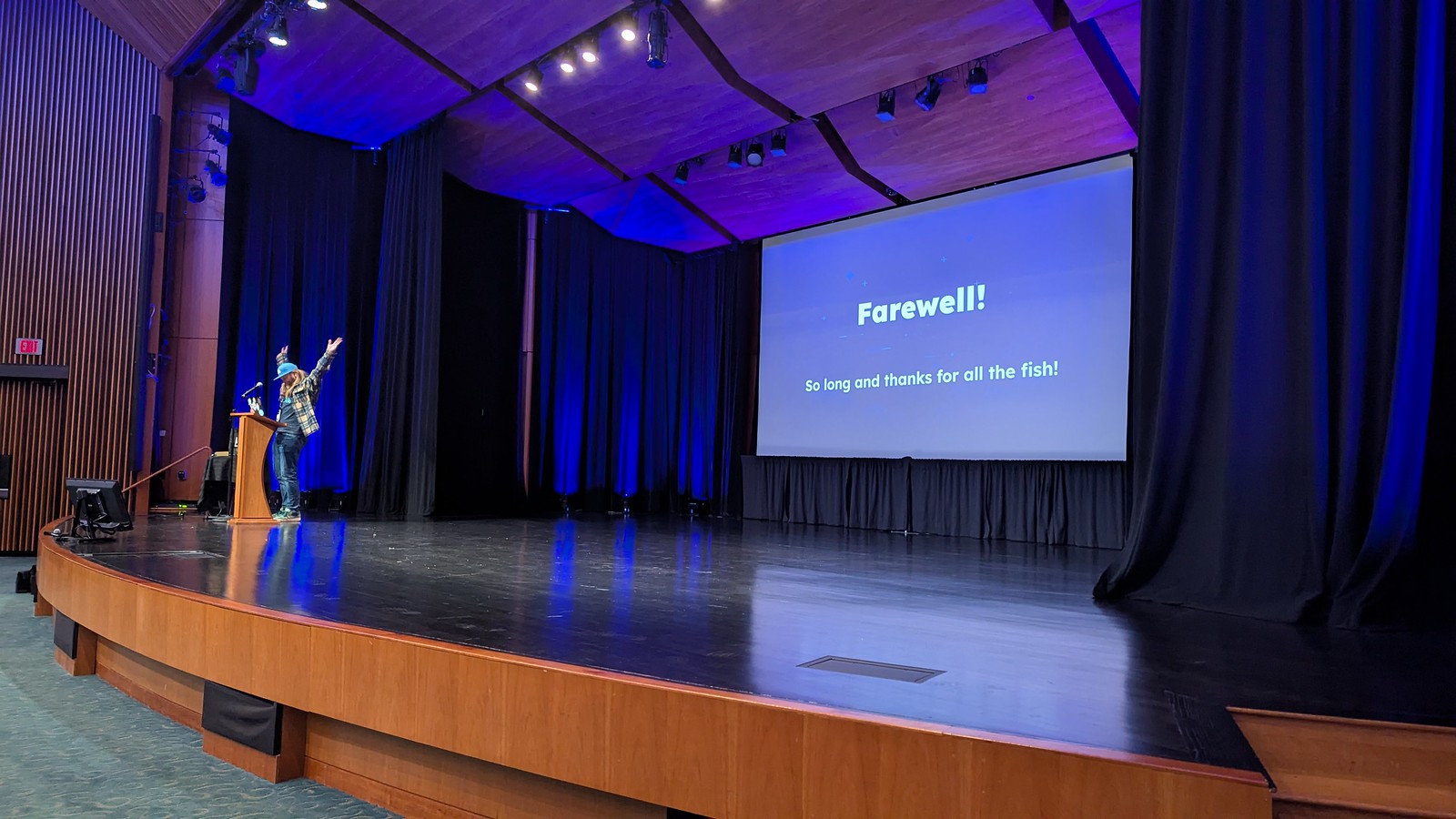
The CPOSC team held an after party at a nearby office, which I’ve enjoyed attending in the past, but with a pair of tired kiddos who were eager to find some dinner they had a bit more control over, we decided to start on our journey back to Philly. It was a great day, and I’m glad I could attend with the whole family this year.