For the second year in a row, I had the pleasure of crafting the IBM LinuxONE booth presence for the Red Hat Summit. I went into this knowing that last year was going to be impossible to top, 2025 was a launch year and we not only had our own big activity space with four laptops, but a plexiglass encased IBM LinuxONE 5 right there in our booth that drew people in continuously.
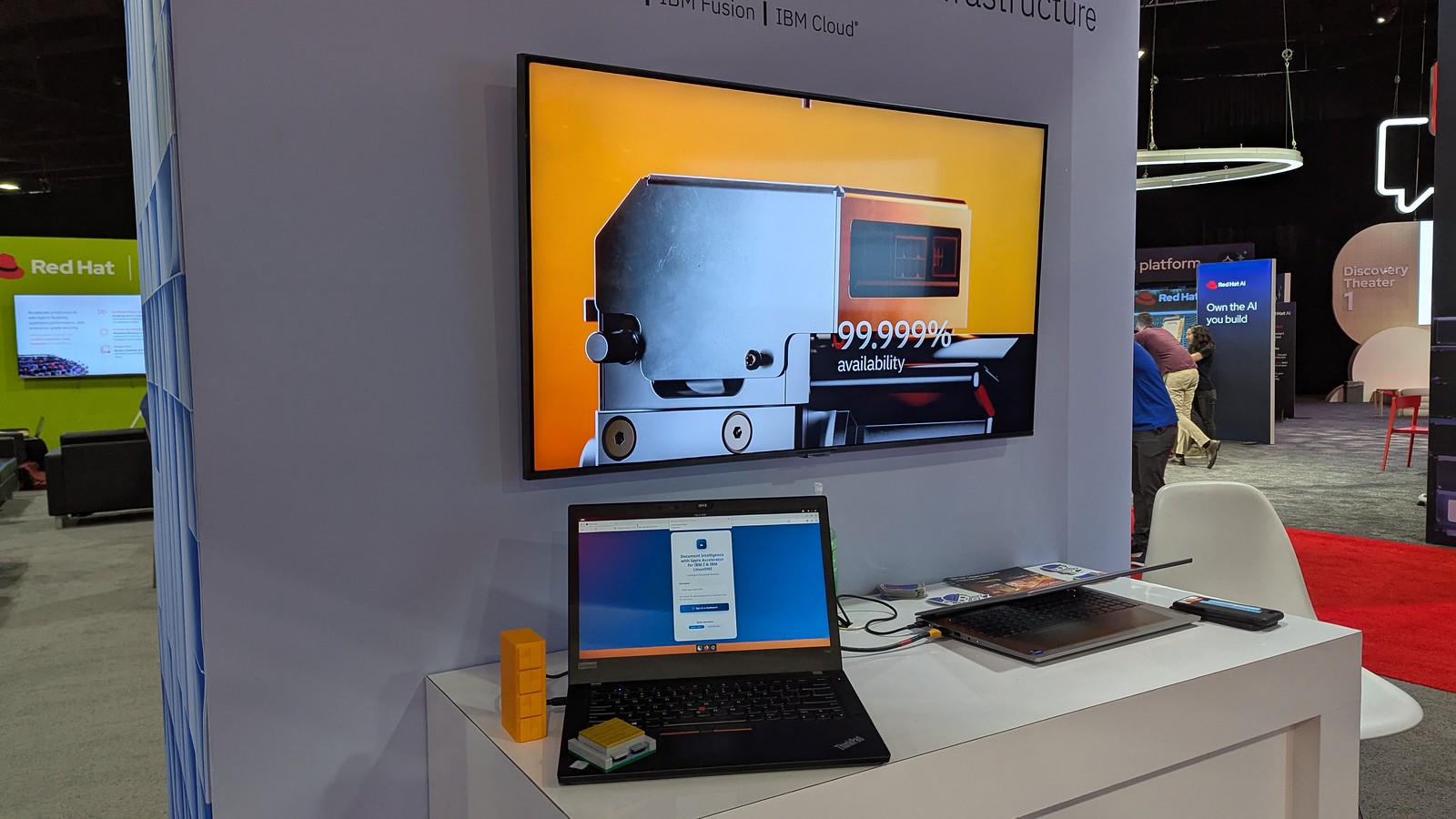
This year we were just a small component of the booth, and had a monitor that was set up for going through technical demos (shared with Storage and Cloud), and a small table in front I could put my conference laptop on to walk attendees through an activity. But we could work with that.
First stop in prep: Activity criteria.
As an open source advocate, my goal was to bring in as much open source to the activity as possible. Leadership wanted a demonstration of Red Hat OpenShift AI. And so began my search! IBM Z has an excellent technical sales department and we also have a variety of teams that do cross-training across the company and out to our clients, so I knew there would probably be something out there that I could use. It took a few weeks, but I was finally introduced to Artem Minin who presented a workshop at SHARE late last year, and a portion of which beautifully met my expectations. As a bonus, it not only relied upon LinuxONE, but the new IBM Spyre card that I hadn’t had an opportunity to interact with.
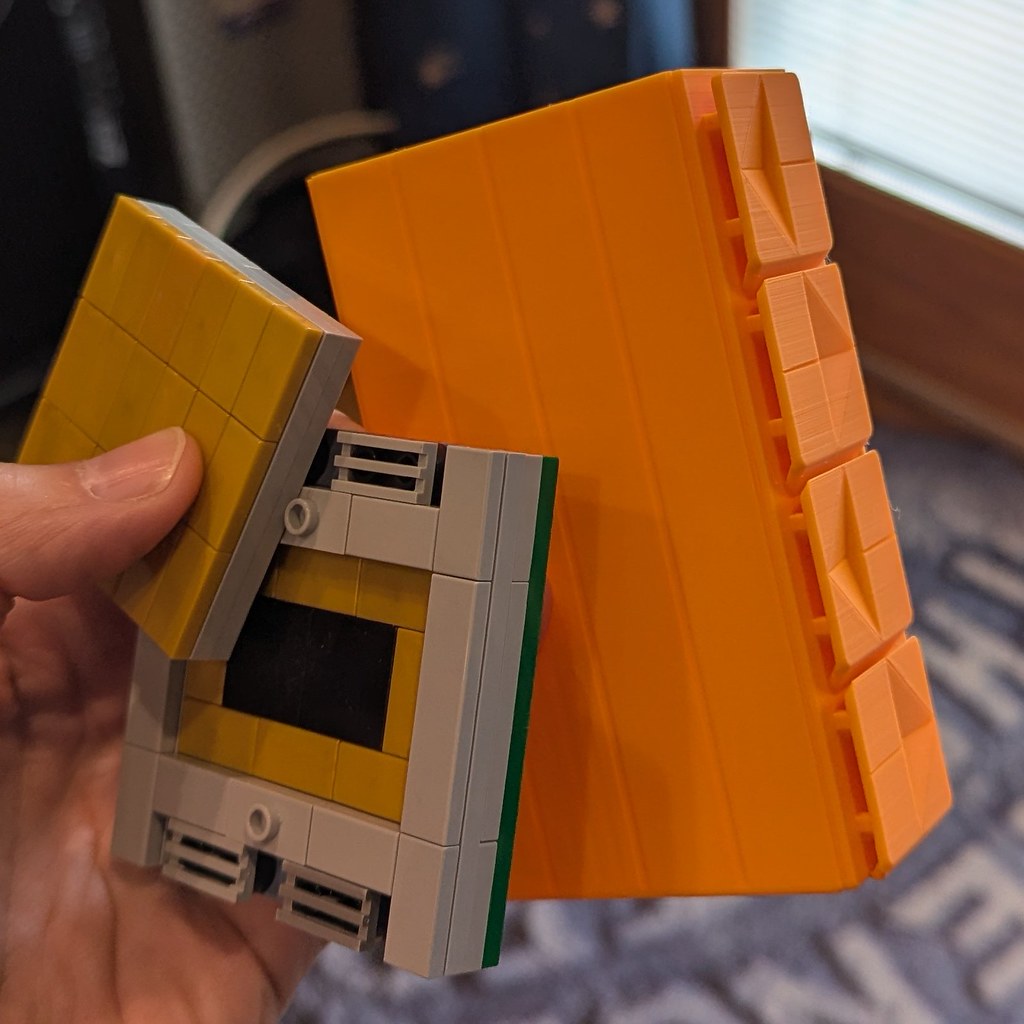
Over the next few weeks Artem took the time to prepare the environment and run some tests based on my own criteria, using an IBM z17 technical document I prepared as a source for AI-driven document summarization and AI assistant engagement with the material. The goal was to use the open source tooling defined in the diagram above to integrate with OpenShift AI, all within the confines of your mainframe environment. Effectively, critical, secured data doesn’t need to leave your mainframe to benefit from leveraging the latest models and AI tooling. Once Artem got me access to the system, he was kind enough to more carefully walk through it all with me so I was able to rewrite his documentation from the SHARE workshop into a more concise document for use at the booth. Plus, Artem was able to join me at the Summit! On my end, I prepared the laptop with a fresh Ubuntu install, got the VPN we’d need set up, and prepared all the materials on the desktop to be ready for the summit. I also tossed a bright orange, 3D-printed IBM LinuxONE 5 and am [unofficial] Lego Telum II in my backpack so I’d have some props at the booth.
I arrived in Atlanta on Sunday afternoon, and had the pleasure of meeting up a few IBM Z colleagues for dinner at a local Mediterranean restaurant.
On Monday I got everything set up at the booth and by the time we opened at 2PM, we were ready!
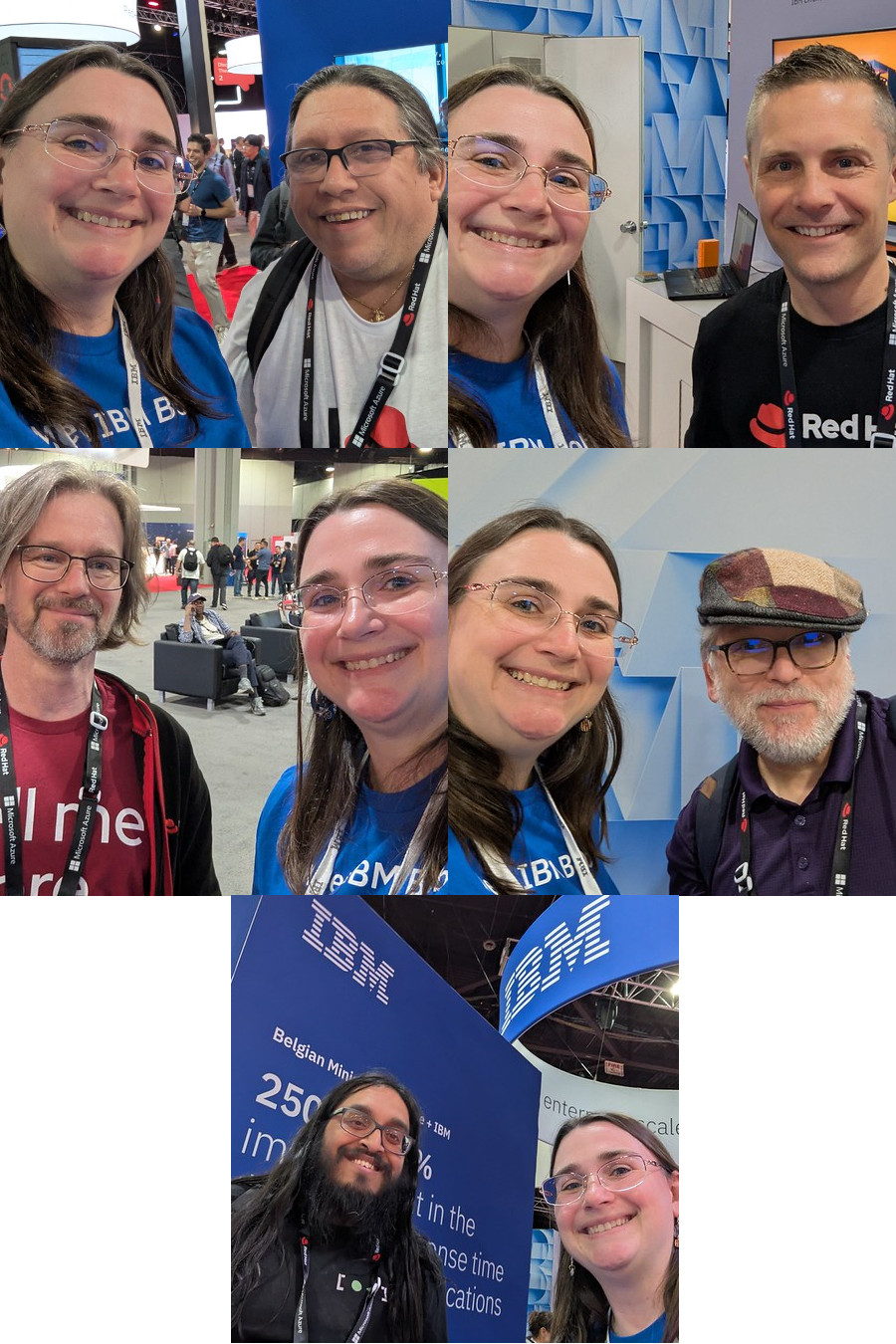
It was a busy week at the booth. Artem and I swapped off shifts Monday through Wednesday, with Leon stepping in as well, and Catherine Guo from LinuxONE Marketing supporting us (and bringing some new LinuxONE swag!). Several others from the IBM Z and LinuxONE team came by throughout the week too, some of whom were participating in the broader event through talks and other client-focused direct engagements. IBM also had a firm come in to help with booth traffic, and they were great at starting conversations with attendees that lead to finding the right place for them at the IBM booth, including with us!
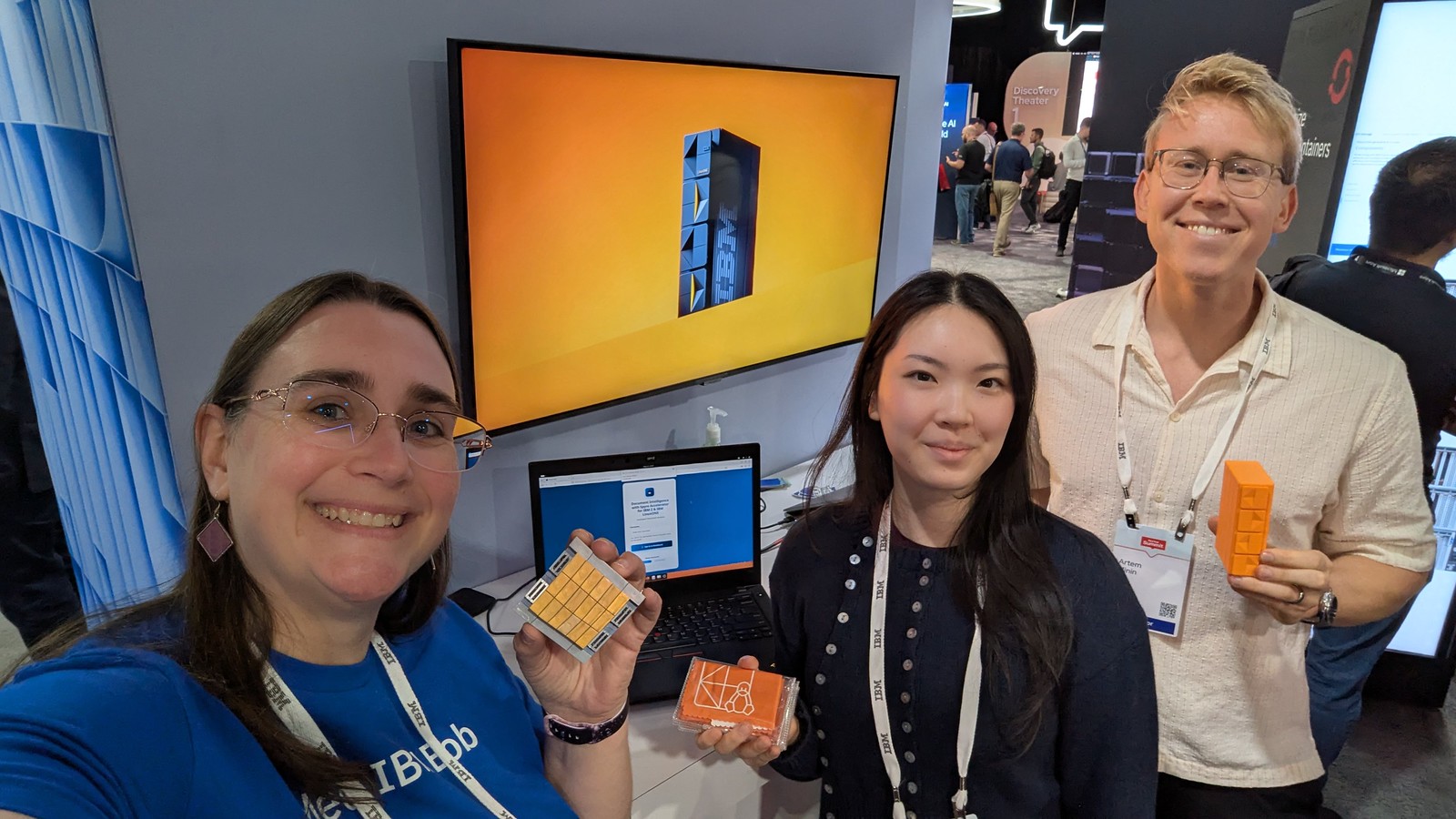
With Catherine and Artem
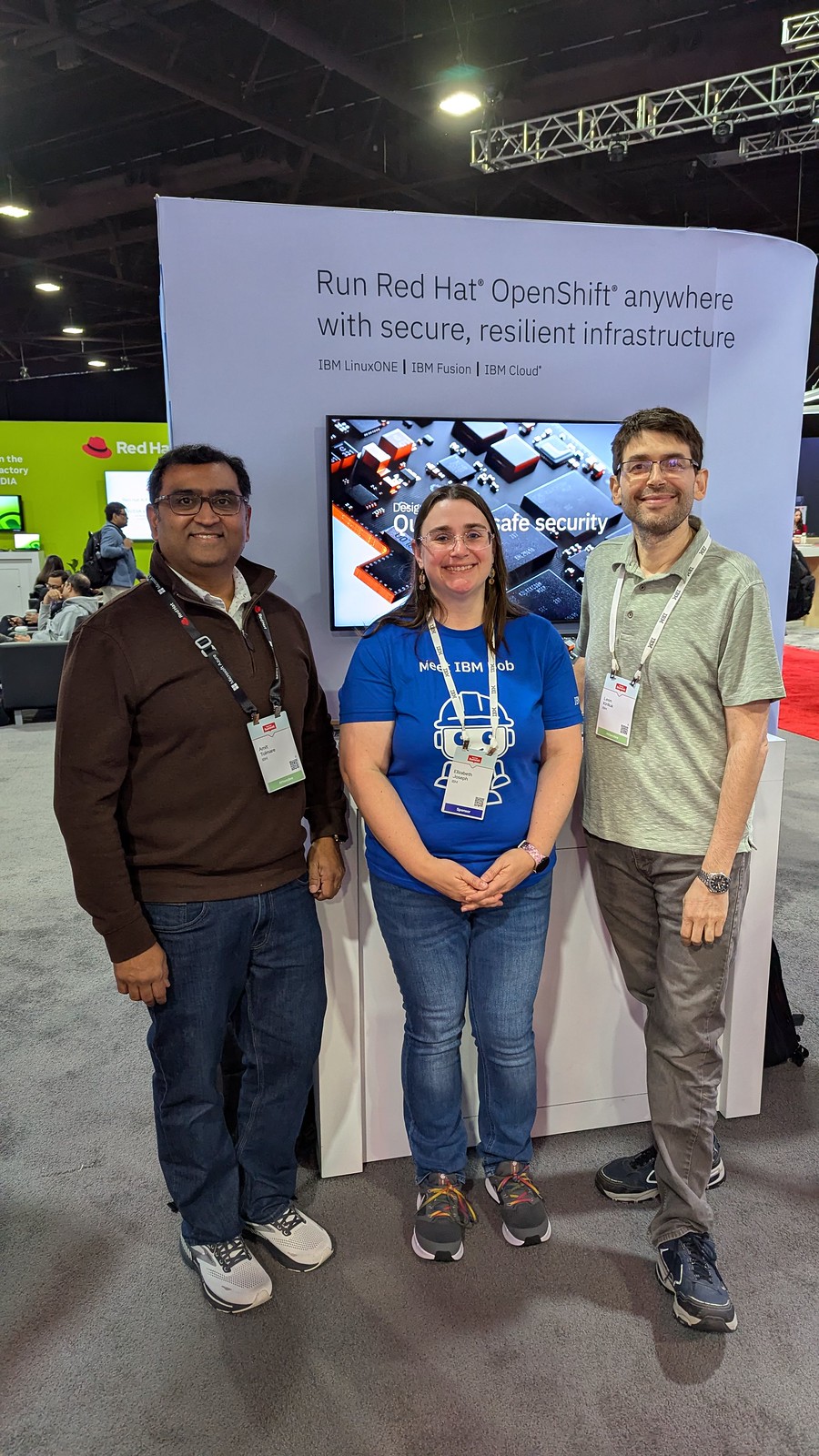
With Amit and Leon
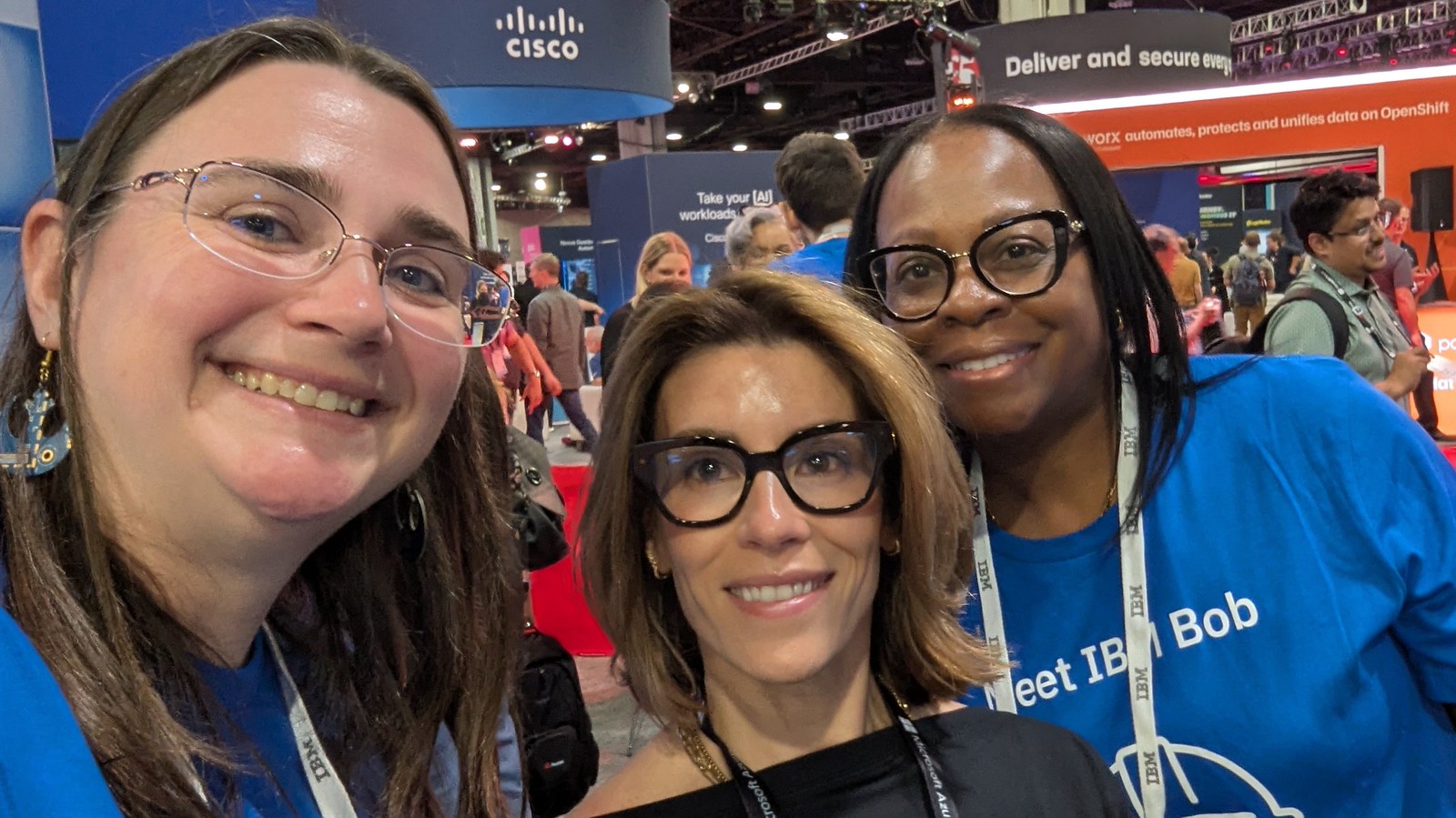
With Amparo and Latasha
On Tuesday and Wednesday I had the opportunity to attend the keynotes. As expected, they were heavy on AI with some things like the RHEL Long-Life Add-On (offering even longer support for the distribution) sprinkled in. It was nice to also hear from users like NASA and Nissan.
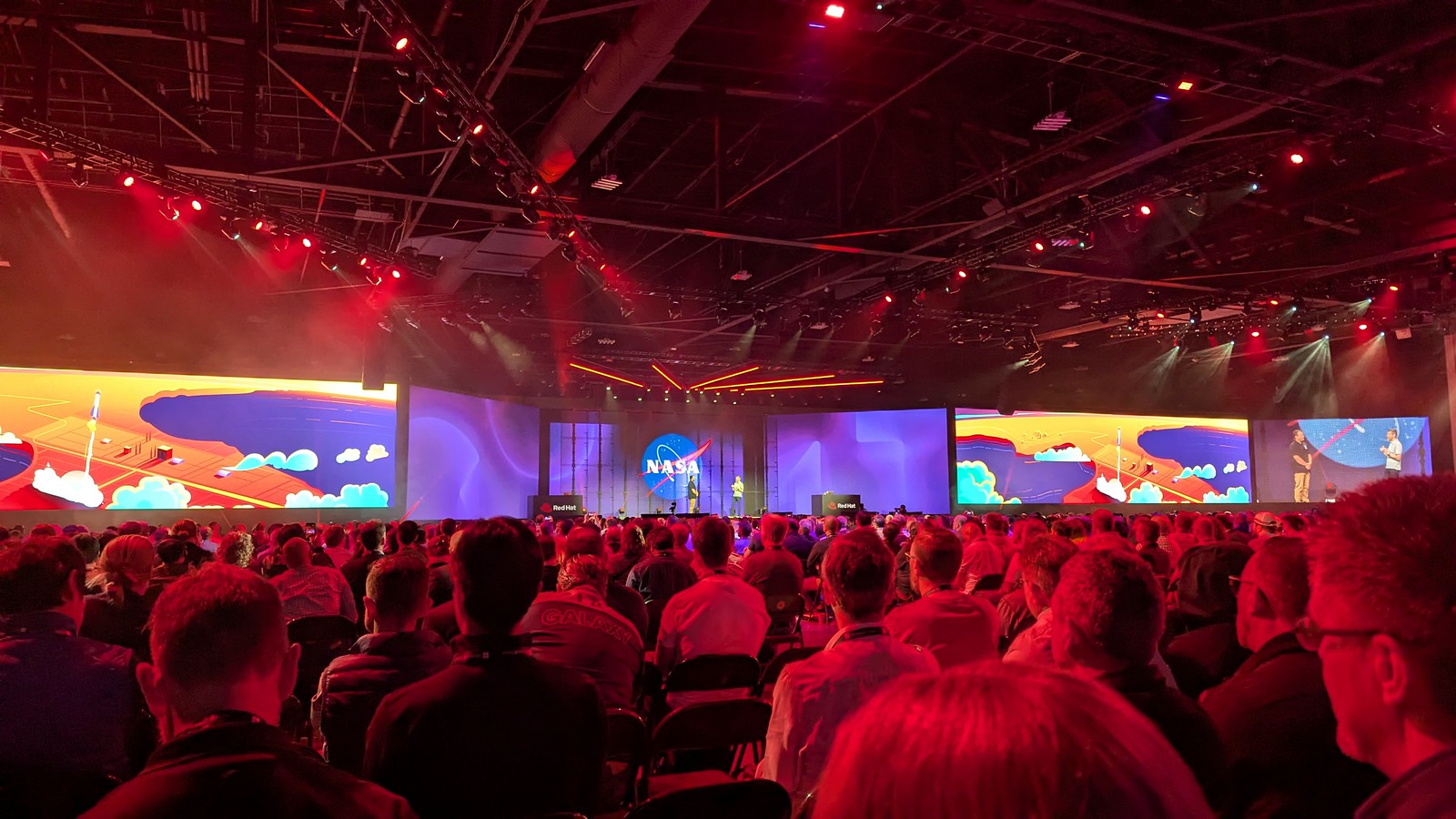
Tuesday was also the day that I kind of hijacked the monitor where we were showing off demos. But listen. Storage was very happy to chat with folks around the giant interactive box they brought to show off near life-size storage demos, and Cloud wasn’t actively staffing the booth. Plus, I told everyone they could take it back to show off the tech demos whenever they wanted. The result was the lovely “Hero video” of the IBM LinuxONE and Spyre card running on a loop and looking really nice at the booth.
The conference wasn’t all work though. During my breaks I was able to explore the expo hall, which gave me time to catch up with folks from the community I’ve worked with throughout my career. It’s always nice to see how many people I’ve worked with through my involvement with Ubuntu and OpenStack are still around, and to find an opportunity to catch up. I never had much of a social life outside of a handful of very close friends, so these bonds I’ve made through contributing to open source are very important to me, and attending these conferences to connect in person gives me a nice burst of connection that I really long for.
The expo also had some fun little activities to do, like assembling a gardening kit that would go to children in the area and free play with white and red Lego bricks, which I really enjoyed as a decompression activity.
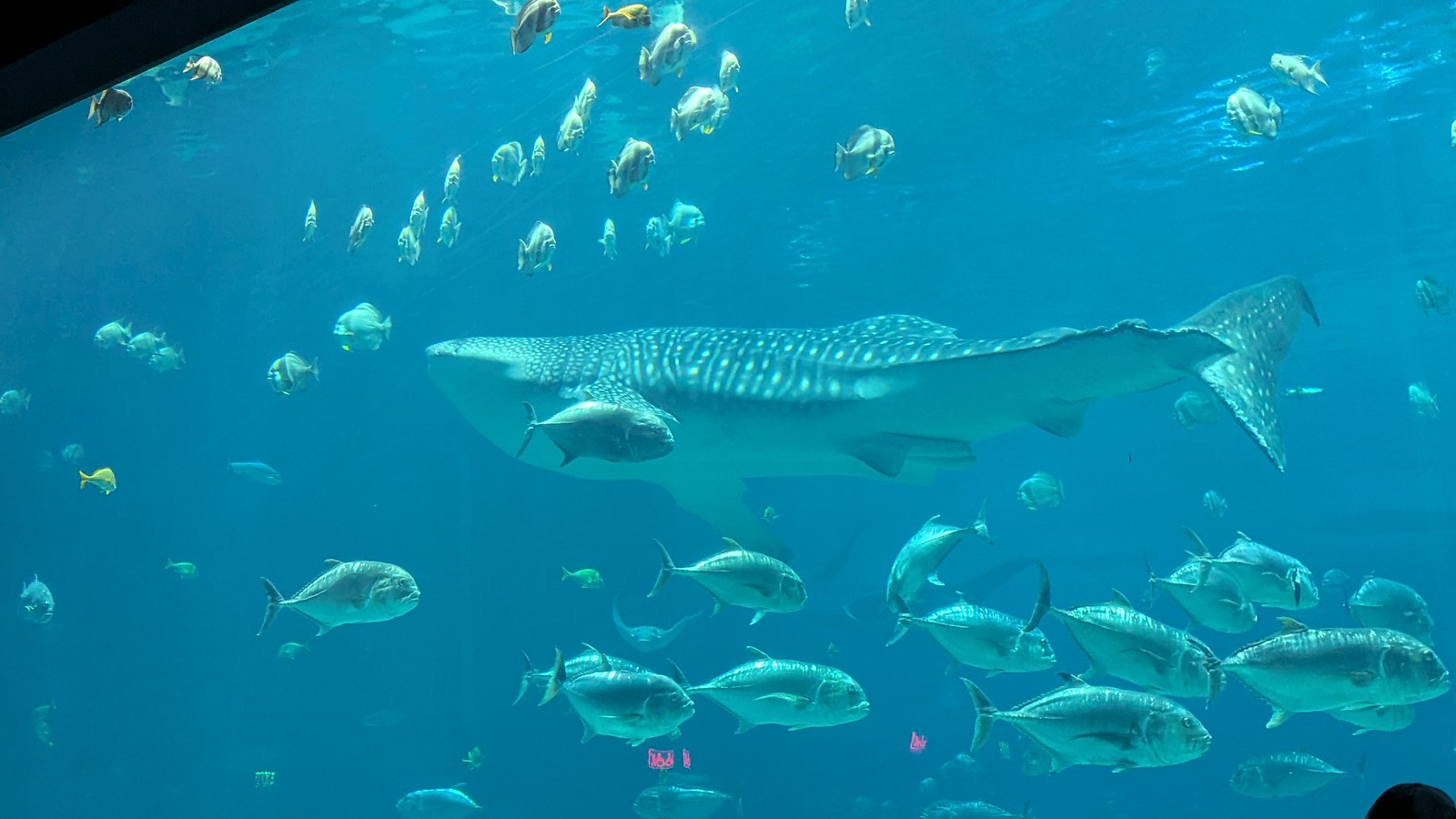
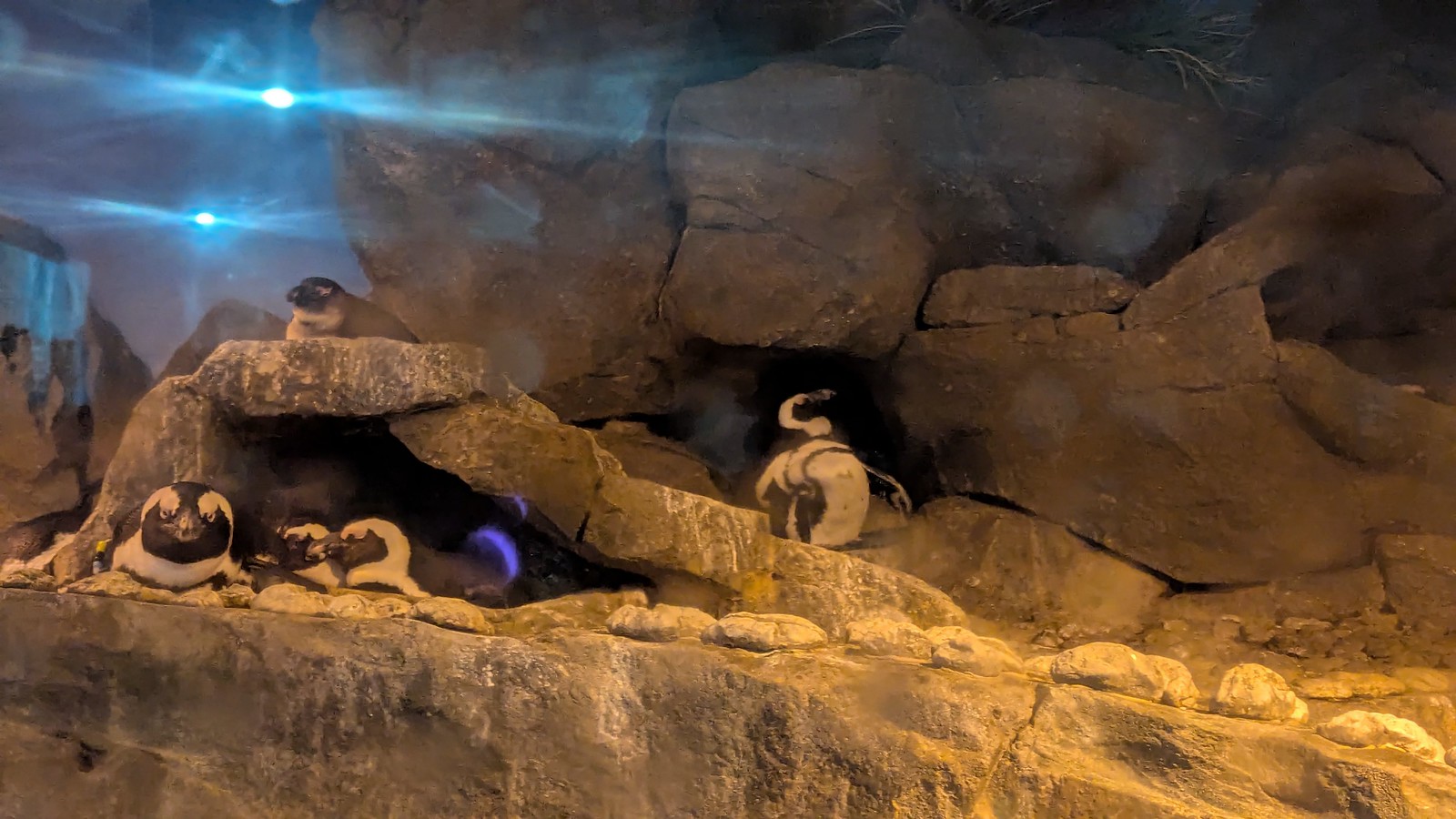
The conference reception was also a lot of fun. It was held a the Georgia Aquarium, which I hadn’t managed to go to! I missed the OpenStack Summit in Atlanta due to an unexpected surgery (gallbladder) and the last time I was in Atlanta was for TechU the first week I was at IBM, and I was juggling a bit too much at the time to enjoy any local attractions. But you know me, I love zoos and aquariums. The Georgia Aquarium is notable because they have a whale shark, and they’re the only facility in the Americas to have one. That means I’d never seen one! They are huge. It is quite the experience to get up close and see one gliding by, and I highly recommend it if you’re in the area. They also have belugas and penguins, and as an all adult event, the bravest among us crawled through the penguin tunnel to get a close up look at our favorite birds. I saw some people throughout the evening, but I mostly did the event solo, which was perfectly find for me as I enjoyed an evening communing with water-loving critters.
We’ll see if I continue doing these events. Booth work is a lot, and I think I can dig up other expertise within the organization, depending on what the focus is next year. I always enjoy it though, it gives me a deadline to learn a bunch about our latest tech, and in this case actually use a Spyre card in our booth activity, something I wouldn’t necessarily get to do in my day to day work.
Huge thanks to everyone who made it possible for IBM to participate this year, and it was a nice start to my two city journey for this trip. What was the next stop on my itinerary? Minneapolis for the Open Source Summit! But I’ll write about that later.